// About — Udaan Technologies57 specialist AI agents — one platform
The humans behindthe machines.
We’re a team of engineers, designers, and operators building 57 specialist AI agents that turn website findings into a prioritized Growth Roadmap. Based in Uttar Pradesh, India, we build for freelancers, agencies, and marketing teams worldwide.
57
// Specialist AI agents
9
// Agent categories
20
// Audit sections per report
5
// Free scans every month
01/Mission_Vision
// Mission
Make website audits easier to act on.
Our mission is to give businesses a clear path from audit finding to practical fix. WebEnture brings specialist website checks into one workspace, explains the evidence in plain language, and helps teams decide what to address first.
// Vision
A clearer way to improve any website.
We want website owners, consultants, and agencies to understand technical, content, conversion, accessibility, and security issues without stitching together disconnected reports. The result should be a shared roadmap that teams can revisit, re-test, and improve over time.
02/The_Operators
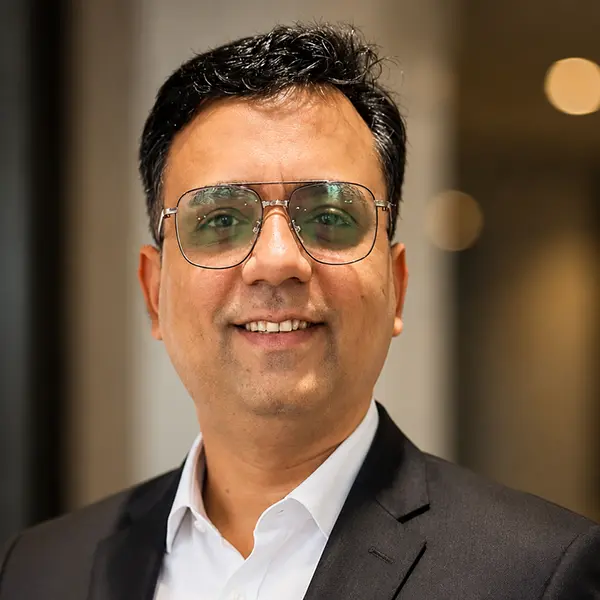
Ritesh Satia
CEO & Founder
Leads WebEnture's product direction, drawing on more than 20 years of work in website design, development, and optimization.
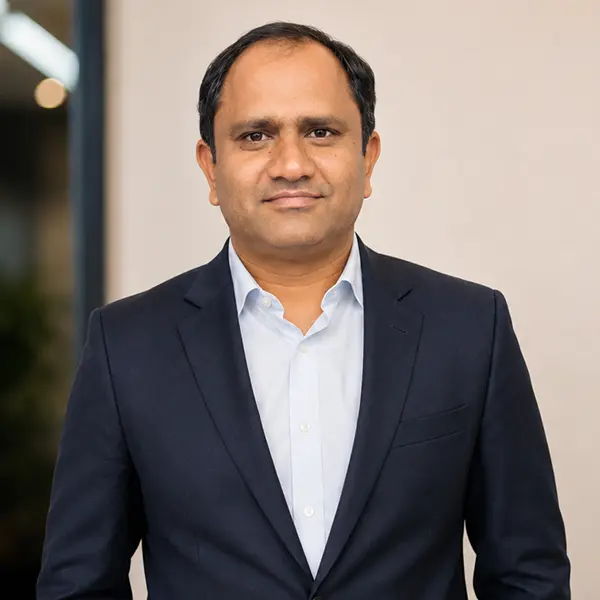
Amit Pandey
Chief Technology Officer
Leads the platform's technical architecture, with a focus on agent-based analysis, web performance, and systems that can grow with the product.
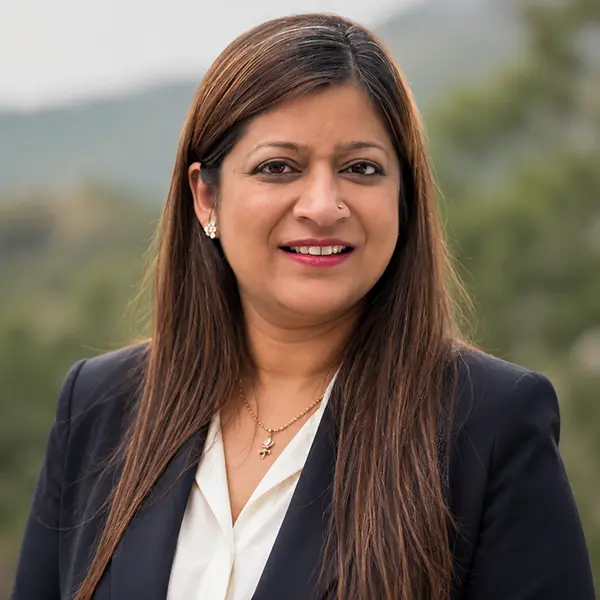
Monika Bajaj
Chief Financial Officer
Oversees financial planning, compliance, and operating discipline as WebEnture develops its product and customer base.
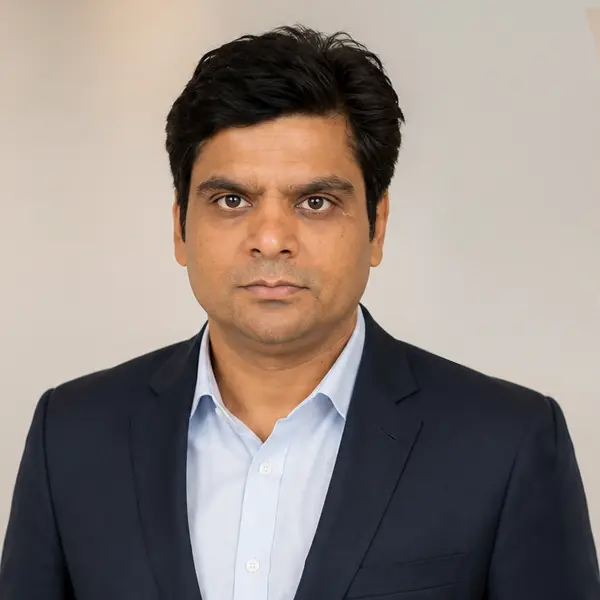
Hemant Kumar
Front-End Experience Engineer
Shapes WebEnture's front-end experience, including motion, interactive interfaces, and the visual details that make complex reports easier to explore.
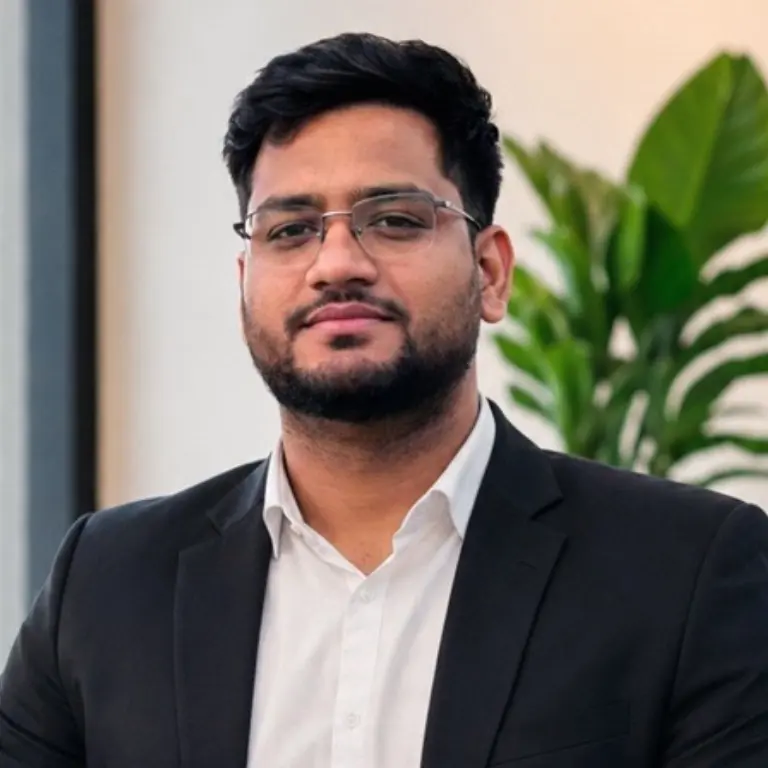
Aman Rawat
Lead Engineer
Guides architecture and code quality across the platform, with day-to-day responsibility for system design, APIs, and engineering delivery.
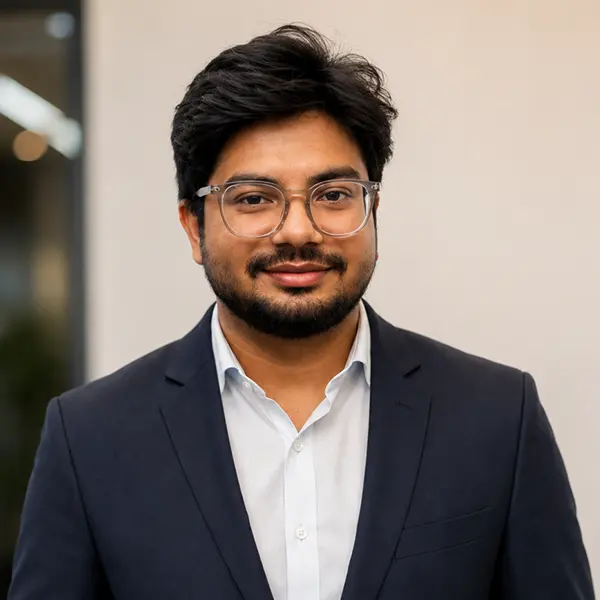
Akib Ali
Full-Stack Engineer
Builds product features across the database, APIs, and interface, with a focus on maintainable implementation and dependable user flows.
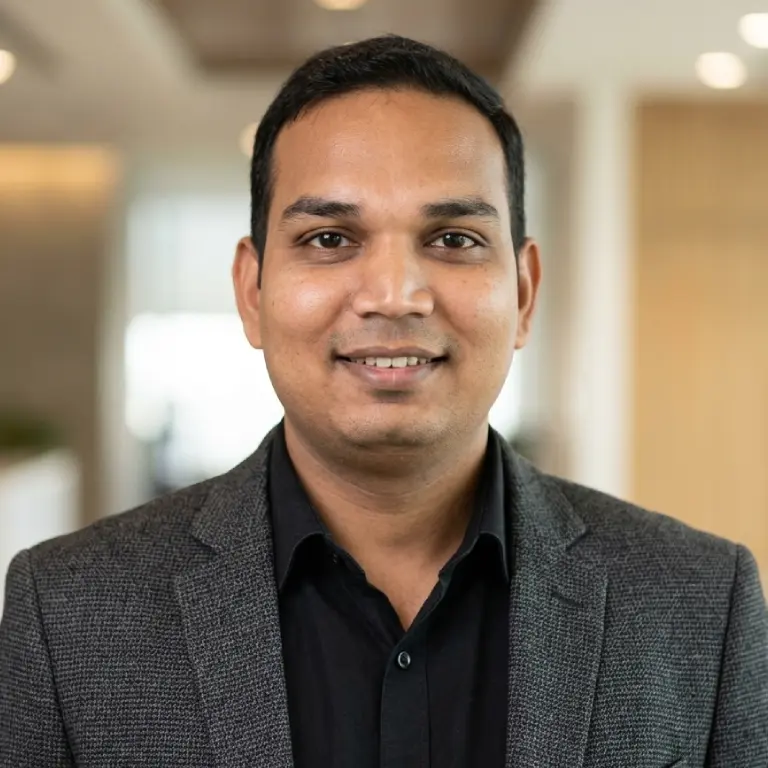
Saurabh Kumar
Senior Product Designer
Designs responsive user journeys and the shared design system, translating product requirements into clear, accessible interfaces.
03/Core_Values
01
Useful innovation
We use automation and AI where they make audits faster to understand or act on. New technology must improve the recommendation, not just decorate it.
02
Accessibility
The web should work for more people. Our tools identify common barriers and relate findings to recognized accessibility guidance.
03
Transparency
We show what was detected, why it matters, and what to do next. Recommendations use plain language and point back to the available evidence.
04
Continuous improvement
We test the product, review its recommendations, and refine the workflow as website standards and customer needs change.